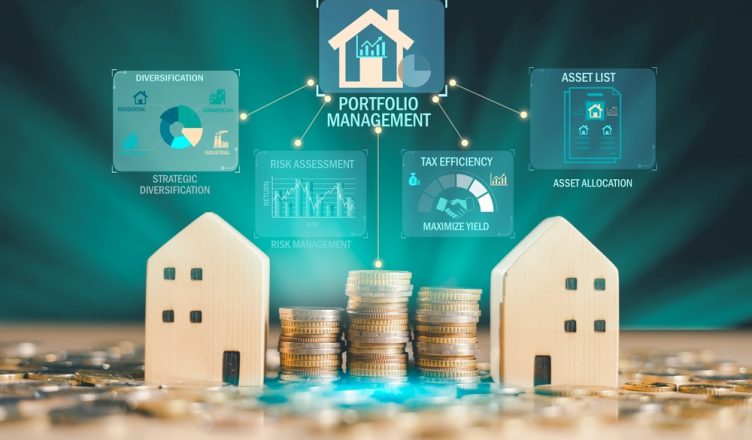
Owning a commercial property creates an investment. Managing it well determines how that investment performs over time.
Even if your building is fully occupied, you might still face extra operating costs. Putting off maintenance can lead to expensive repairs later. Lease expiries can create income risks well before tenants actually leave. And even a property in a great location can lose its edge if its systems, amenities, or standards don’t keep up with what tenants expect.
This is why commercial real estate asset management matters. It goes beyond daily operations and asks a bigger question: What choices will help protect and improve the financial, operational, and strategic performance of your property over time?
This question is especially important in India’s growing real estate market. In the first half of 2026, office properties made up over 40% of real estate investment inflows, and investors are also moving into industrial, mixed-use, and alternative assets.
Here are some key areas that owners and investors should focus on.
Tip 1. Track More Than Rental Income
Collecting rent is just one part of understanding how your property is performing.
Asset managers need to keep an eye on occupancy, lease expiries, tenant mix, operating costs, overdue payments, capital needs, and the property’s overall financial health- all at the same time.
The goal is to spot anything that could affect future cash flow. For example, even a building that’s full now could be at risk if several big leases end around the same time.
Colliers’ Real Estate Management Services combine property, portfolio, financial, and facilities management, including property- and portfolio-level reporting to support more informed decision-making.
Good commercial real estate asset management therefore looks forward rather than relying solely on current income.
Tip 2. Build an Occupancy Strategy Before Space Becomes Vacant
Vacancies shouldn’t catch you off guard.
By looking at when leases are set to expire, owners can see where risks are coming up. This gives them time to talk to current tenants, check market demand, plan upgrades, or get spaces ready for new uses.
It’s also important to think about the quality and variety of your tenants. The best strategy will look different for an office building, a logistics park, an industrial site, or any other type of property.
Keeping tenants is important. While lease terms matter, so do building reliability, quick service, good amenities, and the daily experience tenants have in your property.
Tip 3. Challenge Operating Expenditure Without Weakening the Asset
There’s a difference between simply cutting costs and managing them wisely.
Owners should understand where money is being spent on energy, maintenance, security, cleaning, utilities, vendors, and building systems, then examine whether that expenditure is producing the required operational outcome.
This is where facilities management and asset management need to work closely together.
Facilities teams deal with the day-to-day functionality of the property, including maintenance, safety, equipment, utilities, and occupier services. Asset managers use that operational information to make wider decisions about budgets, investment, risk, and future property performance.
Our team best describes facilities management as the integration of spaces, occupiers, processes, equipment, and technology to support building efficiency, safety, comfort, and functionality.
This difference is important. Facilities management keeps the property running, while asset management decides how that performance supports your investment goals.
Tip 4. Plan CAPEX Before Equipment Forces the Decision
It’s much harder to manage capital spending if you’re always reacting to problems as they come up.
Owners should keep track of the full lifespan of key building systems like HVAC, elevators, electrical systems, fire safety, façades, roofs, and controls. Knowing their condition, how long they’ll last, maintenance history, and what future tenants might need helps you plan capital spending over several years.
This approach helps you tell the difference between spending that’s needed to keep things running and investments that make your property more competitive.
Replacing equipment as planned is a budgeting choice. But if something breaks unexpectedly during busy times, it can quickly turn into an operational, tenant, and financial headache all at once.
Tip 5. Treat Maintenance Data as Investment Intelligence
If equipment keeps breaking down, it could point to bigger problems than just maintenance.
If you notice higher energy use, frequent breakdowns, more complaints, or rising repair bills, these are signs your property might be getting less efficient.
This operational data should feed into commercial real estate asset management decisions. It can help determine whether an owner should repair, replace, retrofit, renegotiate a service contract, or invest in a wider building upgrade.
Colliers’ management framework includes preventive maintenance, energy management, health and safety, crisis management, procurement, and operational tenant support.
Tip 6. Manage Industrial and Warehouse Assets Around Their Operations
Managing industrial and logistics properties is different from managing office buildings.
Things like floor strength, ceiling height, loading docks, yard space, power supply, fire safety, access roads, truck flow, maintenance, and location all affect how useful a warehouse is for tenants.
This matters in a rapidly expanding Indian market. Industrial and warehousing leasing across the top eight cities reached 11 million sq. ft. in Q1 2026, up 22% year over year, with 3PL operators accounting for about one-third of demand.
Whether the tenant is a manufacturer, e-commerce operator, or warehousing company in India, asset managers need to understand the operational requirements that influence retention, future leasing appeal, and capital planning.
Tip 7. Use Asset Improvements Strategically
Not all upgrades add the same value to your property.
Before spending money on a new lobby, amenity, green project, or building tech, owners should ask themselves what problem this investment will solve.
Will it reduce risks? Lower resource use? Make the property more attractive to tenants? Help equipment last longer? Improve tenant experience? Keep the building up to date?
This way, improvement projects stay focused on real goals for the property, not just on looks.
Tip 8. Make Reporting Useful for Decisions
Asset reports should highlight what needs attention, not just list what’s already happened.
Useful reporting connects financial performance, occupancy, leasing exposure, OPEX, CAPEX, building operations, risks, and upcoming decisions. It should make priorities visible across an individual property and, where relevant, the wider portfolio.
Colliers’ real estate management platform brings together market, financial, sustainability, and operational expertise to support future-oriented property and portfolio strategies.
Manage the Asset, Not Just the Building
Effective commercial real estate asset management connects investment objectives with what is happening inside the property every day.
For owners and investors, this means looking at income and occupancy, but also at maintenance, energy use, tenant experience, capital needs, risks, and long-term requirements.
When asset management and facilities management work well together, your property is more likely to stay reliable, competitive, and efficient—even as the market changes.
If you are looking to strengthen the performance of an individual asset or a wider portfolio, connect with Colliers India’s Real Estate Management Services team to develop a management strategy built around operational efficiency, financial oversight, tenant needs, and long-term property performance.
FAQs
- Why can a fully occupied commercial property still underperform?
High operating costs, lease concentration, deferred maintenance, and weak capital planning can reduce overall asset performance. - How can owners prevent maintenance problems from becoming costly asset risks?
Regular facilities data, preventive maintenance, lifecycle planning, and timely CAPEX decisions can help address issues before they escalate. - Why do commercial assets lose competitiveness even in strong locations?
Outdated building systems, poor tenant experience, inefficient operations, and delayed upgrades can weaken an asset’s appeal over time.