Parents rarely decide on a school by academics alone. In real life, they are choosing the setting that will affect how a child reasons, studies, and faces life outside the classroom.
If you are in Pune and trying to understand the IB curriculum, it helps to start with what the programme actually changes. It touches daily lessons and also how a student is ready later for college work.
Why the IB Curriculum Stands Apart
Many school systems mainly push delivery of lesson content. The IB puts emphasis on thinking skills as much as it does on facts. Students are asked to understand ideas, not only repeat them.
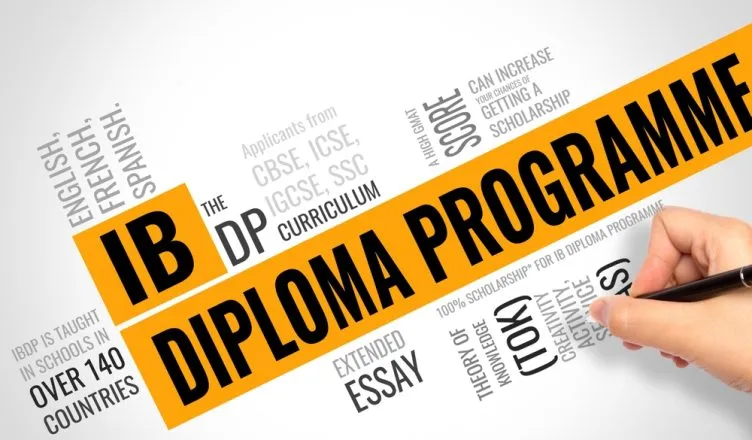
In the final part of secondary school, students often take the IB Diploma Programme. It is made up of six subject groups. There is also a required core. That core includes Theory of Knowledge, the Extended Essay, and Creativity, Activity, Service. The aim is to encourage more self-led study, sharper analysis, and a real desire to explore topics, not just last-minute exam prep.
What the Diploma Programme adds in practice
Universities around the world often point to the IB Diploma for its level of study and its overall balance. A few points are usually mentioned for this reason:
- Students pick from a range that includes sciences, humanities, languages, and the arts
- Assessment comprises both coursework and final examinations
- Students complete an independent research task in the Extended Essay
- Theory of Knowledge encourage students to reflect on how knowledge is formed and tested
This comprehensive setup builds both academic range and stronger intellectual habits. Many other programmes have fewer parts that train students in independent work for years. That is why IB students are often seen as prepared for independent study soon after they start at university.
How Pune Became a Growing Hub for International Education
Pune has been known for education for a long time. This was before international schooling became a common choice in India. The city also sits near research groups, and it has a large student base. Those factors make it a natural place for global school models.
Now, more international schools in Pune offer the IB Diploma Programme. The reason is local demand. Families moving for jobs add to the need. At the same time, some long-time Indian families look for a widely recognised qualification that can keep options open.
What to Look for Beyond the Curriculum Name
Offering IB does not always mean the same student experience. Before joining, it is smart to look at practical details.
- See whether teachers have real experience with IB teaching methods
- Ask how the school supports students during subject choice and college applications
- Check whether the school has the tools needed for science work, arts work, and research-based assignments
- Also observe the everyday school culture, and not only the syllabus
Schools that handle these areas well usually prepare students more clearly than schools that treat the IB as just another brand.
Considering the Broader School Landscape
Many families look at more than international baccalaureate schools in Pune before they decide. That check is better done with care than with speed.
In Pune, you may find schools that start IB early. Others, including Wellington College Pune, move toward the IB after students complete a solid base in the English National Curriculum and IGCSE. Both routes can succeed. Still, they do not match every student in the same way. Family goals and the way a child learns can differ. Because of that, a campus visit and time with staff can matter more than a glossy brochure. How a school runs the years before the Diploma Programme often shows the real level of readiness.
Questions Worth Asking During a School Visit
A brief tour does not tell you the full story. A few direct questions can narrow things down fast.
- How does the school guide students when they enter the Diploma Programme?
- Where have past IB students ended up for university?
- What does pastoral support look like in the final two years?
- What activities are available that connect to the CAS side of the IB?
When answers are clear and concrete, it usually means the school is set up to teach the programme properly.
Conclusion!
The right choice is about fit first. Reputation is only part of the picture. A strong IB curriculum taught by experienced teachers, along with a caring campus setting, can help students build skills for what comes after graduation.
See Wellington College International Pune to learn how its IB Diploma Programme supports students through university and beyond.