
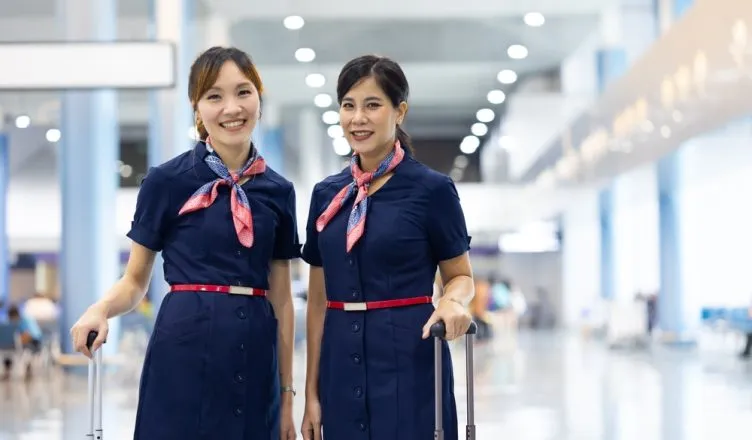
Many people assume that becoming a cabin crew professional is mainly about appearance, communication, and the ability to travel frequently. While those elements may contribute to the profession, the reality is far more demanding.
Step inside any commercial aircraft, and you quickly realize that cabin crew members do much more than welcome passengers or serve meals. They manage safety procedures, handle emergencies, assist diverse travelers, resolve conflicts, maintain service standards, and represent an airline’s brand throughout every stage of a journey.
That level of responsibility requires preparation.
Airlines do not simply hire candidates who dream of working in aviation. They look for individuals who possess a combination of technical knowledge, interpersonal abilities, professional discipline, and situational awareness. This is where a quality air hostess academy in Gurgaon plays an important role.
Professional training helps bridge the gap between aspiration and industry expectations. It transforms enthusiastic candidates into individuals who understand how the aviation industry functions and what airlines expect from cabin crew professionals from day one.
Understanding how these academies develop airline-ready skills can help aspiring candidates appreciate the value of structured training before entering this highly competitive industry.
Airlines Hire for Skills, Not Just Personality
A positive personality certainly helps in aviation. However, personality alone is rarely enough. Airlines seek candidates who can perform effectively under pressure while maintaining professionalism and composure.
Cabin crew members often encounter situations that require quick decision-making and strong judgment.
Examples include:
- Managing passenger concerns
- Assisting nervous travelers
- Handling medical situations
- Responding during emergencies
- Coordinating with flight teams
- Maintaining service consistency
Training programs are designed to prepare students for these realities rather than simply focusing on appearance or presentation.
The goal is to develop well-rounded professionals capable of handling the diverse responsibilities associated with cabin crew roles.
Communication Skills Form the Foundation
One of the first skills emphasized during aviation training is communication. This goes far beyond speaking confidently.
Effective communication involves:
- Active listening
- Clear verbal expression
- Professional body language
- Passenger interaction techniques
- Conflict resolution
- Cross-cultural communication
Passengers come from different backgrounds, age groups, and cultures.
Cabin crew members must adapt their communication style while maintaining professionalism throughout every interaction.
Why Communication Matters in Aviation
| Skill Area | Importance |
| Passenger Assistance | Improves traveler experience |
| Safety Announcements | Ensures clear understanding |
| Conflict Management | Reduces escalation risks |
| Team Coordination | Supports operational efficiency |
| Emergency Situations | Enables effective response |
Strong communication often becomes one of the most valuable assets throughout an aviation career.
Grooming and Professional Presentation Matter
First impressions remain important in customer-facing industries.
Aviation is no exception.
Professional grooming training helps students understand industry expectations regarding appearance, etiquette, and personal presentation.
Areas commonly covered include:
- Uniform standards
- Personal hygiene
- Professional etiquette
- Posture and body language
- Appearance management
- Workplace conduct
The objective is not superficial perfection.
Instead, it is about maintaining consistency, professionalism, and confidence in environments where customer interaction is constant.
Customer Service Is Taught as a Professional Skill
Exceptional service does not happen by accident.
It is learned.
Aviation training programs place significant emphasis on customer service because passenger experience plays a major role in airline operations.
Students learn how to:
- Handle customer requests professionally
- Respond to complaints effectively
- Manage difficult interactions
- Demonstrate empathy
- Maintain service standards
- Create positive travel experiences
These skills often remain valuable long after an aviation career begins and can transfer to numerous hospitality and customer-facing industries.
Safety Training Is Central to Cabin Crew Preparation
Many aspiring candidates are surprised by the amount of safety-related content included in aviation training.
In reality, safety is one of the most important responsibilities of cabin crew professionals.
Training often includes:
- Emergency procedures
- Aircraft familiarization
- Safety equipment usage
- Evacuation protocols
- Passenger safety management
- Regulatory compliance awareness
Airlines expect cabin crew members to prioritize passenger safety above all else.
A quality training environment helps students develop the confidence required to respond effectively when unexpected situations arise.
Confidence Is Built Through Repetition and Practice
Confidence is often misunderstood as a natural personality trait.
In professional training environments, confidence is usually the result of preparation.
Students gain confidence by repeatedly practicing scenarios they may encounter in real-world aviation settings.
Practical Learning Activities May Include
- Mock passenger interactions
- Group presentations
- Service simulations
- Emergency response exercises
- Interview preparation sessions
- Team-based activities
The more familiar students become with professional situations, the more naturally they respond during actual airline assessments and future employment.
Teamwork Is a Critical Aviation Skill
Aircraft operations depend heavily on collaboration.
Pilots, cabin crew, ground staff, and airline personnel must work together efficiently.
As a result, teamwork is an important component of aviation training.
Students learn:
- Collaborative problem-solving
- Professional cooperation
- Responsibility sharing
- Communication within teams
- Leadership fundamentals
Many employers place significant value on candidates who can contribute positively within team-oriented environments.
An effective aviation institute in Gurgaon often incorporates group-based learning activities to help students develop these essential workplace skills.
Cultural Awareness Supports Global Careers
Modern aviation is inherently international.
Cabin crew members regularly interact with passengers from various countries, cultures, and linguistic backgrounds.
Understanding cultural differences helps professionals provide respectful and effective service.
Training programs may introduce students to:
- Cross-cultural communication
- International service expectations
- Professional sensitivity
- Global workplace etiquette
- Passenger diversity awareness
These competencies become increasingly valuable as airlines continue expanding global operations.
Interview Preparation Plays an Important Role
Many capable candidates struggle not because they lack skills but because they struggle during recruitment processes.
Airline interviews often assess much more than technical knowledge.
Recruiters evaluate:
- Confidence
- Communication
- Grooming
- Problem-solving ability
- Professional attitude
- Customer service mindset
Structured interview preparation helps students understand what recruiters look for and how to present themselves effectively.
Common Areas Covered During Interview Preparation
| Training Focus | Purpose |
| Resume Building | Professional presentation |
| Group Discussions | Communication assessment |
| Personal Interviews | Confidence development |
| Industry Awareness | Knowledge enhancement |
| Personality Development | Professional growth |
Preparation often reduces anxiety and improves performance during recruitment assessments.
Industry Knowledge Creates Stronger Candidates
Airlines prefer candidates who understand the industry they wish to join.
Training programs frequently introduce students to aviation fundamentals such as:
- Airline operations
- Airport procedures
- Industry terminology
- Aviation regulations
- Passenger handling systems
- Career pathways
This knowledge helps candidates participate more confidently in interviews and professional discussions.
Students trained at a reputable aviation institute in Gurgaon often gain a broader understanding of the aviation ecosystem rather than focusing solely on cabin crew responsibilities.
Personality Development Extends Beyond the Classroom
Professional growth often involves personal growth.
Many aviation training programs include personality development modules because self-confidence, professionalism, and adaptability influence workplace success.
Areas commonly addressed include:
- Public speaking
- Time management
- Professional behavior
- Leadership qualities
- Emotional intelligence
- Self-presentation
These skills support long-term career development regardless of the specific role students eventually pursue.
Why Structured Training Matters
Some individuals believe aviation careers can be pursued without formal training. While opportunities vary, structured training offers several advantages.
Benefits of Professional Aviation Training
- Industry-relevant skill development
- Exposure to recruitment expectations
- Practical learning experiences
- Enhanced confidence
- Professional grooming guidance
- Improved employability
Training does not guarantee employment. However, it often helps candidates become more competitive within a demanding industry. That distinction is important. Preparation improves readiness. Readiness improves opportunity.
Also Read:
Top Career Opportunities After a Hospitality Management Course
Modern Training Trends in an Air Hostess Course in Delhi
More Useful Links:
Air Hostess Training in Gurgaon | Ground Staff Course Gurgaon | Hospitality Management Training Gurugram
Conclusion
A successful aviation career requires far more than enthusiasm for travel or customer interaction. Airlines seek professionals who can communicate effectively, maintain safety standards, demonstrate confidence, work within teams, and represent their organization with professionalism.
A quality air hostess academy in Gurgaon helps aspiring candidates develop these capabilities through structured learning, practical exercises, and industry-focused training. For students comparing training options, whether they are considering an academy locally or researching the best institute for air hostess training in Delhi, the focus should always remain on skill development and career readiness.
Institutions such as Fly Wings contribute to this preparation by helping students build the competencies that modern airlines actively seek in future cabin crew professionals