
Hospitals, clinics, diagnostic centers, and other healthcare facilities depend on a steady supply of medical consumables to maintain safe and efficient daily operations. Unlike durable medical equipment, consumables are used regularly and often need frequent replacement. Choosing reliable medical consumables suppliers in Deiracan therefore help healthcare providers maintain product availability, quality standards, and smooth patient-care services.
Deira is a well-established commercial area in Dubai with access to a wide range of healthcare products and suppliers. Healthcare organizations can source different types of consumables for clinical, diagnostic, laboratory, emergency, and general healthcare requirements. However, selecting the right supplier requires attention to product quality, availability, documentation, delivery, and customer support.
Importance of Medical Consumables in Healthcare
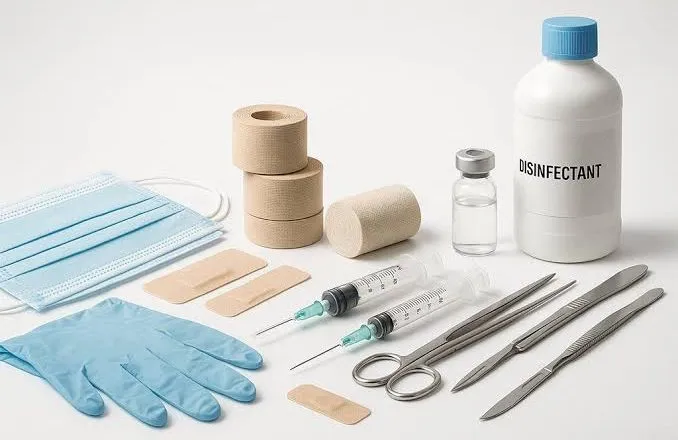
Medical consumables are essential products used during routine examinations, treatments, procedures, testing, and patient care. Items such as gloves, masks, syringes, gauze, dressings, disinfectants, specimen containers, and disposable medical products are commonly required in hospitals and clinics.
Because these products are frequently used, healthcare facilities need dependable procurement systems. Running out of essential consumables can interrupt workflows and create unnecessary operational challenges. A trusted supplier can support healthcare facilities by providing commonly required products according to their purchasing needs.
Reliable sourcing also helps facilities maintain consistency in the products used by medical professionals. When healthcare organizations establish relationships with dependable medical consumables suppliers in Deira, they can simplify procurement and better manage recurring orders.
Wide Range of Medical Consumables
A professional medical consumables supplier may provide a broad selection of products for different healthcare departments. The exact product range varies between suppliers, but commonly available categories include disposable medical supplies, protective products, wound-care items, laboratory consumables, and examination supplies.
Disposable Medical Supplies
Disposable products are widely used in hospitals, clinics, and diagnostic facilities. These can include syringes, needles, disposable cups, specimen containers, medical bags, and other single-use items.
Using appropriate disposable supplies can help healthcare workers maintain organized procedures and support infection-control practices. Facilities should always select products suitable for their intended clinical applications.
Personal Protective Equipment
Personal protective equipment is important for protecting healthcare workers and patients during various clinical activities. Medical consumables suppliers may offer products such as examination gloves, surgical masks, protective gowns, face shields, caps, and shoe covers.
The appropriate protective product depends on the procedure, environment, and level of exposure involved. Healthcare organizations should follow applicable infection-prevention protocols when selecting and using PPE.
Wound-Care Products
Hospitals and clinics frequently require wound-care consumables for treating injuries, surgical wounds, and other clinical conditions. Common products include sterile gauze, cotton products, adhesive dressings, bandages, medical tape, and wound-care accessories.
Reliable availability of these products is important for emergency departments, outpatient clinics, surgical facilities, and other healthcare settings.
Why Choose Suppliers in Deira?
Deira has long been recognized as an important commercial area in Dubai. Its established business environment provides healthcare organizations with access to suppliers serving different product categories.
For hospitals and clinics, sourcing from medical consumables suppliers in Deiracan offer practical advantages such as product variety, local procurement, and easier communication with suppliers. Local suppliers may also be able to support recurring orders and provide delivery arrangements based on customer requirements.
Healthcare facilities can compare suppliers based on product range, service capabilities, documentation, and purchasing requirements before establishing a long-term relationship.
Quality Should Be a Priority
Quality is one of the most important factors when purchasing medical consumables. Since these products can be used directly in patient-care environments, healthcare organizations should carefully evaluate product specifications and supplier credentials.
A responsible supplier should provide clear information about the products it offers. Depending on the item, this may include manufacturer details, product specifications, packaging information, batch information, expiry dates, and applicable regulatory documentation.
Hospitals and clinics should avoid selecting consumables based only on price. A lower purchase price may not always represent the best overall value if product quality, consistency, availability, or supplier service is inadequate.
Checking Product Specifications
Before placing an order, healthcare procurement teams should confirm that products meet the requirements of the intended application. Important considerations can include size, material, sterility, packaging, quantity, compatibility, and intended use.
For example, different types of gloves may be designed for different applications, while dressings and syringes are available in various sizes and specifications. Clear product information helps procurement teams order the correct items and reduce purchasing errors.
Suppliers that provide detailed product information can make the procurement process easier for hospitals and clinics.
Reliable Product Availability
Consistent availability is another important consideration when choosing medical consumables suppliers. Hospitals may require large quantities of frequently used products, while smaller clinics may need regular but lower-volume orders.
A dependable supplier should have an organized inventory and procurement process to help meet customer requirements. Healthcare facilities can also discuss frequently ordered products, expected quantities, lead times, and emergency requirements with suppliers.
Maintaining an appropriate inventory within the healthcare facility, combined with dependable supplier support, can reduce the risk of shortages.
Supporting Infection-Control Practices
Infection prevention is an essential part of healthcare operations. Medical consumables such as gloves, masks, gowns, disinfecting products, sterile dressings, and other disposable supplies can contribute to established infection-control procedures when selected and used correctly.
Suppliers should provide products appropriate for their intended purpose and offer clear usage information where applicable. Healthcare workers must still follow their organization’s infection-control policies and applicable healthcare regulations.
Value of Professional Supplier Support
Purchasing medical consumables involves more than simply selecting products from a catalogue. Healthcare organizations may require assistance with product specifications, quantities, recurring orders, delivery schedules, and documentation.
Professional suppliers can help customers identify suitable products based on stated requirements. Good communication can also make it easier to address product availability, order changes, and delivery concerns.
For larger healthcare organizations, a reliable supplier relationship can support more efficient procurement planning and recurring purchasing.
How to Select a Trusted Supplier in Deira
Healthcare organizations should consider several factors before choosing a supplier. Product quality should be reviewed first, followed by product range, availability, documentation, delivery capabilities, and customer service.
It is also useful to check whether the supplier can support regular orders and whether its products come from recognized manufacturers or established distribution channels. Clear communication about pricing, minimum order quantities, delivery schedules, and product specifications can prevent misunderstandings.
Healthcare procurement teams should also ensure that purchased products comply with applicable requirements and are appropriate for professional healthcare use.
Conclusion
Reliable medical consumables are essential for the everyday operation of hospitals, clinics, laboratories, and other healthcare facilities. From disposable supplies and protective equipment to wound-care and examination products, these items support numerous clinical activities.
Choosing dependable medical consumables suppliers in Deirarequires careful consideration of product quality, availability, specifications, documentation, delivery, and customer service. Healthcare organizations should evaluate suppliers according to their specific requirements and applicable regulations rather than focusing only on price.
With proper supplier selection and organized procurement, hospitals and clinics can maintain essential consumable stocks and support efficient healthcare operations. A professional supplier can become a valuable procurement partner by providing suitable products, reliable service, and consistent support for changing healthcare needs.