
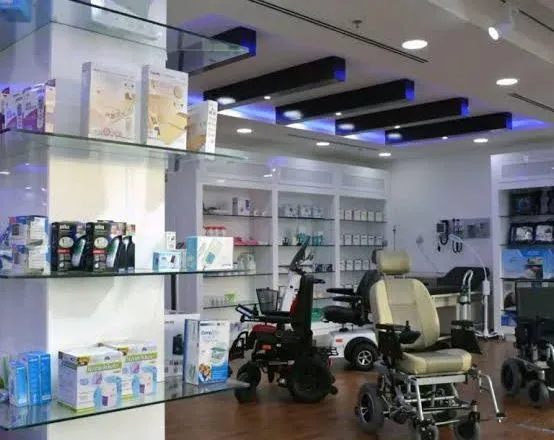
Dubai has developed into an important healthcare and medical technology hub in the UAE, supporting hospitals, clinics, diagnostic centers, laboratories, rehabilitation facilities, and other healthcare providers. The city has a wide network of medical device companies, manufacturers, distributors, and specialized suppliers serving different healthcare requirements. Industry directories currently list hundreds of medical-device businesses across the UAE, covering areas such as medical and dental instruments, electromedical equipment, and other healthcare products.
For hospitals and healthcare facilities, selecting a professional medical devices company in Dubai can help ensure access to suitable equipment, dependable product support, and efficient supply services. Professional suppliers can provide everything from diagnostic devices and patient-monitoring systems to surgical instruments, laboratory equipment, and rehabilitation products.
Growing Demand for Medical Devices in Dubai
Dubai’s healthcare sector continues to develop through investments in hospitals, specialty clinics, diagnostic centers, medical tourism, and advanced healthcare technologies. This creates ongoing demand for modern medical devices that can support accurate diagnosis, treatment, monitoring, and patient care.
Dubai also has an established presence of international medical technology companies. For example, industry reports identify Dubai as a regional base for major companies including Abbott, Medtronic, and Johnson & Johnson, alongside other international medical-device and diagnostic businesses.
This combination of international manufacturers and local distributors gives healthcare facilities access to a broad range of medical technology.
Wide Range of Medical Devices
Professional medical devices companies in Dubai commonly supply products for different departments and healthcare applications. The exact product range varies between companies, but commonly available categories include diagnostic equipment, patient-monitoring devices, surgical instruments, laboratory systems, physiotherapy equipment, and hospital equipment.
Diagnostic devices can include equipment used for monitoring vital signs, testing, imaging, and other clinical assessments. Hospitals may also require specialized devices for intensive care, operating rooms, emergency departments, cardiology units, and outpatient services.
Laboratories have separate requirements, including analyzers, microscopes, centrifuges, testing equipment, and related supplies. Similarly, dental clinics, physiotherapy centers, gynecology clinics, and other specialized facilities need equipment designed for their particular applications.
Medical Equipment for Hospitals and Clinics
Hospitals require dependable equipment across multiple departments. A professional supplier can help healthcare organizations source equipment according to their operational requirements rather than simply supplying individual products.
Common hospital requirements may include:
- Patient monitoring systems
- ECG and cardiology equipment
- Surgical instruments
- Anesthesia equipment
- ICU equipment
- Emergency medical devices
- Diagnostic equipment
- Laboratory equipment
- Hospital furniture
- Physiotherapy and rehabilitation equipment
- Medical consumables and accessories
Dubai’s medical-equipment supplier market includes businesses serving hospitals, clinics, laboratories, dental facilities, and other healthcare organizations. Local directories show a substantial number of suppliers operating across areas such as Deira, Al Qusais, Al Quoz, Dubai Healthcare City, and other commercial districts.
Importance of Product Quality
Medical devices are directly connected with patient care, so quality should be an important consideration when selecting a supplier. Healthcare organizations should evaluate product specifications, intended use, manufacturer information, applicable approvals, warranty terms, and after-sales support before purchasing equipment.
A professional medical devices company should be able to provide clear information about the products it supplies. This can make it easier for hospitals and clinics to compare available options and select devices appropriate for their clinical requirements.
Product quality is particularly important for equipment used in critical areas such as intensive care, emergency medicine, surgery, anesthesia, and patient monitoring.
Technical Support and After-Sales Service
Purchasing medical equipment is only one part of managing healthcare technology. Installation, user training, maintenance, repairs, and replacement parts can also be important throughout the equipment’s working life.
Professional medical device suppliers can support healthcare facilities with installation and technical assistance depending on the product and supplier. Proper maintenance can help healthcare organizations keep equipment operating efficiently and identify potential technical issues earlier.
Before purchasing, facilities should ask suppliers about warranty coverage, preventive maintenance, technical support, spare parts availability, installation requirements, and staff training.
Medical Devices for Specialized Departments
Dubai healthcare facilities often require specialized equipment for different clinical departments. Cardiology departments may need ECG systems, patient monitors, and other cardiovascular equipment. Operating rooms require surgical instruments, anesthesia systems, operating tables, and related equipment.
ICU departments depend on advanced monitoring and life-support technologies, while laboratories require precise diagnostic and testing systems. Physiotherapy centers may need electrotherapy, rehabilitation, mobility, and exercise equipment.
A supplier with experience across different healthcare categories can help organizations identify products that match their specific departmental requirements.
Choosing a Professional Medical Devices Company in Dubai
Healthcare organizations should consider several factors when selecting a medical device supplier. Product range is one consideration, but it should not be the only one. The supplier’s technical capabilities, product documentation, service arrangements, delivery capabilities, and experience should also be reviewed.
Businesses such as Medigate Medical Equipment Trading LLC, Winray Medical Equipment Trading LLC, and Lifecare Medical Equipment Trading LLC, Dubai are examples of medical equipment suppliers operating in Dubai. Their presence illustrates the variety of local suppliers available to healthcare businesses.
When comparing companies, healthcare buyers can consider:
Product availability:Check whether the company supplies the devices required for your facility.
Technical assistance:Ask about installation, training, maintenance, and repairs.
Product documentation:Verify specifications, manufacturer information, warranties, and applicable regulatory documentation.
Delivery:Confirm delivery schedules and whether the supplier can support larger healthcare projects.
Customer service:Responsive communication can make equipment purchasing and maintenance easier.
Benefits of Working with Local Suppliers
Working with a Dubai-based medical devices company can provide practical benefits for healthcare facilities. Local suppliers may offer faster communication, easier coordination for delivery, and convenient access to technical support.
For facilities that require regular purchases, establishing a relationship with a reliable supplier can also simplify procurement. Instead of sourcing every product separately, healthcare organizations may be able to consolidate purchasing through experienced medical equipment companies.
Dubai’s position as a commercial and logistics center also supports the distribution of medical technology throughout the UAE and wider region. Industry research describes the city as an important base for international healthcare and medical-device businesses.
Medical Devices for New Healthcare Facilities
New clinics, laboratories, and healthcare centers often need several types of equipment before beginning operations. Professional suppliers can help buyers understand equipment requirements and organize purchases according to the facility’s departments and services.
A new clinic may require examination equipment, diagnostic devices, patient monitoring systems, medical furniture, sterilization products, and consumables. A laboratory will have a different equipment list, while a dental clinic may need dental chairs, imaging systems, instruments, and sterilization equipment.
Planning purchases carefully can help organizations manage budgets and avoid buying unsuitable or unnecessary products.
Reliable Medical Technology for Better Healthcare
Modern medical devices contribute to efficient diagnosis, monitoring, treatment, and patient management. However, the value of medical equipment depends not only on technology but also on proper selection, installation, operation, and maintenance.
Professional suppliers can help healthcare organizations navigate these requirements by providing suitable products and supporting services. This is particularly valuable for facilities using advanced or specialized equipment.
Conclusion
Professional medical devices companies in Dubai play an important role in supporting the city’s growing healthcare sector. From diagnostic and laboratory equipment to surgical instruments, patient-monitoring systems, ICU equipment, and rehabilitation devices, suppliers provide products for a wide range of healthcare applications.
Healthcare facilities should compare suppliers based on product quality, suitability, documentation, technical support, warranty, maintenance, and delivery services. Choosing a supplier that understands the facility’s requirements can make medical equipment procurement more efficient and support reliable day-to-day operations.
With a broad network of international medical technology companies and local suppliers, Dubai offers healthcare organizations access to diverse medical device solutions for hospitals, clinics, laboratories, and specialized healthcare centers.