
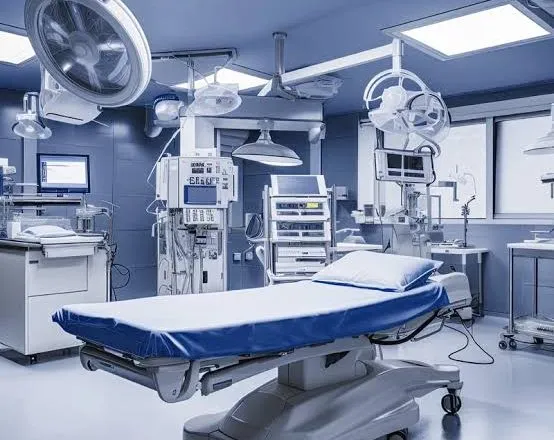
The healthcare sector in the United Arab Emirates is growing rapidly, supported by modern hospitals, specialized clinics, diagnostic laboratories, and advanced medical facilities. As healthcare providers focus on improving patient care and operational efficiency, the demand for reliable medical equipment and healthcare technology continues to increase. Choosing the right healthcare equipment company is essential for hospitals, clinics, and other medical organizations that require dependable products and professional support.
Leading healthcare equipment companies in UAE help healthcare facilities access a wide range of medical devices, diagnostic instruments, hospital furniture, surgical equipment, and essential supplies. These companies support healthcare professionals by providing products that meet their operational requirements and contribute to safe, efficient medical services.
Growing Demand for Healthcare Equipment in the UAE
The UAE has established itself as an important healthcare destination in the Middle East. Investments in medical infrastructure, private healthcare services, specialized treatment centers, and diagnostic facilities have increased the need for modern medical technology.
Healthcare equipment plays an important role in patient monitoring, diagnosis, treatment, rehabilitation, and emergency care. Hospitals require advanced equipment for intensive care units, operating theatres, and patient wards, while clinics need practical solutions for consultations, examinations, and routine medical procedures.
Reliable healthcare equipment suppliers help medical organizations source appropriate products according to their needs, budgets, and facility requirements. Their product knowledge and after-sales support can also help healthcare professionals make informed purchasing decisions.
Wide Range of Medical Equipment and Supplies
A professional healthcare equipment company in UAE may provide different categories of products to support medical facilities. Understanding these categories helps healthcare buyers identify suitable solutions for their departments.
Diagnostic and imaging equipmentis essential for identifying medical conditions and supporting clinical decisions. Depending on the supplier’s product range, this category may include ultrasound systems, X-ray machines, ECG machines, and other diagnostic devices. Healthcare facilities should select equipment based on clinical requirements, technical specifications, and applicable regulatory standards.
Patient monitoring equipmentsupports the observation of important physiological measurements. Devices such as multiparameter patient monitors, pulse oximeters, blood pressure monitors, and thermometers are used in different healthcare settings. Selecting suitable monitoring equipment helps medical professionals observe patients and respond appropriately to changes in their condition.
Surgical and examination instrumentsare required for various medical procedures. Healthcare suppliers may offer surgical instruments, examination tools, diagnostic accessories, and procedure-related equipment. Product quality, material suitability, sterilization compatibility, and reliable sourcing are important considerations when purchasing these items.
Hospital furniture and patient-care equipmentcontribute to comfort, safety, and efficient clinical workflows. Common products include hospital beds, examination couches, bedside cabinets, instrument trolleys, and treatment tables. Facilities should consider durability, ease of cleaning, adjustability, and the needs of patients and healthcare professionals.
Importance of Choosing a Reliable Healthcare Equipment Company
Selecting a dependable supplier is an important decision for any healthcare organization. Medical equipment must be appropriate for its intended use, supported by accurate documentation, and maintained according to manufacturer recommendations.
A reliable healthcare equipment company should provide clear product information, transparent pricing, and guidance on selecting equipment that matches a facility’s requirements. Buyers should be able to review specifications, warranties, delivery arrangements, and available technical support before placing an order.
Supplier reliability is particularly important when purchasing equipment used in critical departments. Delayed deliveries, unavailable spare parts, or inadequate technical assistance can affect equipment availability and daily operations. Healthcare organizations can reduce these risks by evaluating suppliers carefully and confirming service arrangements in advance.
It is also important to distinguish between a company that distributes medical products and one that provides installation, maintenance, calibration, or repair services. Not every supplier offers all these services, so buyers should confirm the available support for each product.
Healthcare Equipment Solutions for Hospitals and Clinics
Hospitals require comprehensive equipment solutions across several departments. Emergency rooms may need defibrillators, patient monitors, suction devices, and other emergency-care equipment. Intensive care units require suitable monitoring and respiratory support systems, while operating theatres depend on equipment selected for specific surgical procedures.
Clinics generally require equipment for patient examinations, basic diagnostic procedures, treatment, and routine monitoring. General practitioners, dental clinics, physiotherapy centers, and specialist practices may each have different purchasing requirements.
Diagnostic laboratories also depend on reliable instruments and accessories for their daily activities. Their needs can include laboratory analyzers, microscopes, sample-handling equipment, and related consumables, depending on the tests performed.
By working with a suitable healthcare equipment supplier, medical facilities can organize their purchasing process, compare product options, and identify equipment that supports their specific services. However, equipment selection should always involve qualified healthcare personnel and relevant technical specialists where necessary.
Factors to Consider Before Purchasing Medical Equipment
Healthcare buyers in the UAE should evaluate several important factors before choosing a supplier or ordering medical devices.
First, assess the product’s quality, intended purpose, specifications, and compatibility with existing systems. Equipment should be suitable for the clinical environment in which it will be used. Buyers should also check whether the product meets applicable UAE regulatory requirements and whether the supplier is appropriately authorized to provide it.
Second, review the supplier’s experience, reputation, and product portfolio. A company that understands healthcare procurement may be better positioned to explain product differences and help buyers identify suitable options. References, customer feedback, and documented service capabilities can support the evaluation process.
Third, consider the total cost of ownership rather than the initial purchase price alone. Installation, staff training, consumables, maintenance, replacement parts, and equipment lifespan can all influence the long-term cost of ownership.
Finally, confirm delivery schedules, warranty terms, maintenance arrangements, and technical support availability. For complex devices, buyers should establish who will handle installation, commissioning, user training, and ongoing servicing before finalizing the purchase.
Why MedOnMed Matters When Exploring Medical Supplies
When researching healthcare equipment companies in UAE, medical buyers should focus on suppliers that understand the requirements of hospitals, clinics, and other healthcare facilities. MedOnMed can be included in this purchasing research as a relevant medical-supplies resource, with buyers encouraged to review its current product listings and contact the company directly for availability, specifications, pricing, and service details.
Before selecting any supplier, healthcare organizations should confirm that the required equipment is available and appropriate for their intended clinical use. They should also request relevant product documentation and clarify delivery, warranty, and after-sales arrangements.
A careful comparison of suppliers helps healthcare facilities make purchasing decisions based on product suitability, service quality, and long-term value rather than price alone.
Conclusion
Leading healthcare equipment companies in UAE play an important role in supporting the country’s expanding medical sector. By providing access to diagnostic devices, patient monitoring systems, surgical instruments, hospital furniture, and medical consumables, suitable suppliers help healthcare organizations meet their daily operational requirements.
Choosing the right healthcare equipment company involves evaluating product quality, regulatory compliance, supplier reliability, pricing, delivery arrangements, and technical support. Hospitals, clinics, laboratories, and specialist centers should identify their specific needs before comparing available options.
For healthcare organizations exploring medical supplies, MedOnMed may be a useful starting point for reviewing relevant products and making further inquiries. Ultimately, a well-informed purchasing decision can help healthcare facilities maintain efficient operations, support medical professionals, and deliver dependable patient care throughout the UAE.