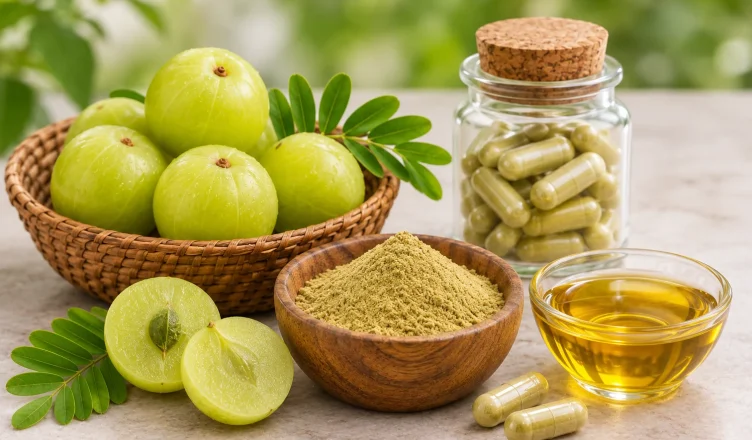
Amla, which means “Indian gooseberry,” is a fruit commonly found in Indian cooking and beauty treatments. Today, shoppers can choose fresh amla, amla powder, amla capsules, and amla oil. Although these products come from the same plant, they serve different purposes. One belongs on your plate, another fits easily into recipes, capsules offer convenience, and oil is designed primarily for hair care.
Choosing well means looking beyond attractive packaging. Consider your goal, the ingredients, how a product is processed, and whether it suits your routine. Here is a practical guide to making an informed choice.
Start With Your Reason for Using Amla
Before buying anything, decide what you want. If you hope to add vitamin C and fiber to your meals, fresh fruit is a sensible starting point. If you need a shelf-stable ingredient for smoothies or curd, powder may be convenient. Capsules are a supplement format, while amla oil is a topical product, not something to eat.
Amla contains vitamin C and plant compounds called polyphenols. Vitamin C supports normal immune function, collagen formation, and iron absorption from plant foods, according to the National Institutes of Health. However, amla products cannot guarantee immunity, faster hair growth, or freedom from illness.
Fresh Amla: A Food First Approach
Fresh amla gives you the fruit itself rather than an extracted ingredient. Look for firm, clean fruits without soft or damaged patches. Wash them, cut around the hard seed, and enjoy small pieces with meals if you like the sour taste.
You might chop amla into chutney, toss slices into a vegetable salad, or serve it beside dal. Pairing vitamin C foods with lentils or beans can help your body absorb their nonheme iron. If fresh amla is unavailable, other fruits and vegetables can support your vitamin C intake too.
Amla Powder: Flexible for Busy Days
Powdered amla is usually produced using dried fruits. It blends into smoothies, unsweetened yogurt, or water and is easy to store. But processing matters. A study of amla drying found that drying and storage conditions affected vitamin C retention, so powders should not be assumed equivalent to fresh fruit.
Check whether the label names amla as the only ingredient or includes sweeteners, fillers, or flavorings. For nutrition goals, look for a declared vitamin C amount per serving rather than relying on claims such as “high potency.” Begin with the label’s serving suggestion; adding more powder will not necessarily deliver better results.
Keep the container sealed, dry, and away from excessive heat. If its taste bothers you, mix a small serving into a familiar food instead of forcing a concentrated drink.
Amla Capsules: Convenience With Extra Label Checks
Amla capsules typically contain ground fruit, an extract, or a mixture. They can be useful for adults who prefer a measured serving without the tart flavor. Yet “500 mg amla” describes the ingredient quantity, not 500 mg of vitamin C.
Read the ingredient panel, serving instructions, expiry date, and manufacturer details. Some capsules contain additional herbs, making their effects and suitability harder to judge. Choose transparent labeling and avoid products promising to cure diseases, reverse ageing, or replace prescribed medicines.
If you already eat varied produce, you may not need a supplement. Discuss capsules with a qualified professional if you are pregnant, breastfeeding, taking medicines, or managing a health condition. Never assume that a natural capsule is automatically harmless.
Amla Oil: For Hair, Not Dietary Vitamin C
The amla oil used is mostly an oil-based hair product that contains preparations of amla. Unlike fresh amla or edible powder, it should not be used to meet dietary vitamin C needs. Its texture can help lubricate hair and make grooming feel more comfortable, depending on the formulation.
Evidence that amla oil alone restores hair growth remains limited. A review of traditional hair oils notes that many popular claims lack strong clinical support. Choose a formula appropriate for your scalp, inspect fragrance and added ingredients, and test a small area before wider use.
Apply according to the product directions. Stop if redness, itching, or irritation appears. Persistent hair loss deserves medical assessment rather than repeated oil applications.
Compare Products Before You Buy
Ask four questions: What is the intended use? What ingredients are included? How much should I use? Is the manufacturer clear about quality and storage?
For eating, fresh fruit offers a straightforward choice, while powder fits recipes. Capsules deserve particular attention to stated nutrient amounts and other ingredients. Oil belongs in a hair routine. These formats are not interchangeable, so avoid comparing them only by price or advertising claims.
Build a Simple, Sustainable Routine
Start with one product instead of buying every format at once. Enjoy fresh amla with lunch when available, or use powder occasionally in breakfast. Add oil only if you want a hair-care step and your scalp tolerates it. Reserve capsules for situations where their purpose is clear.
Keep a note of any stomach discomfort or scalp irritation. If a product causes problems, discontinue it and seek professional advice. Consistency matters more than combining several products, especially when your daily goals are modest.
Final Thoughts
The right amla product is the one that matches your needs, fits your habits, and has clear, trustworthy labeling. Fresh fruit, powder, capsules, and oil each offer different experiences. Keep nutrition varied, use topical products carefully, and prioritize realistic expectations over dramatic promises.