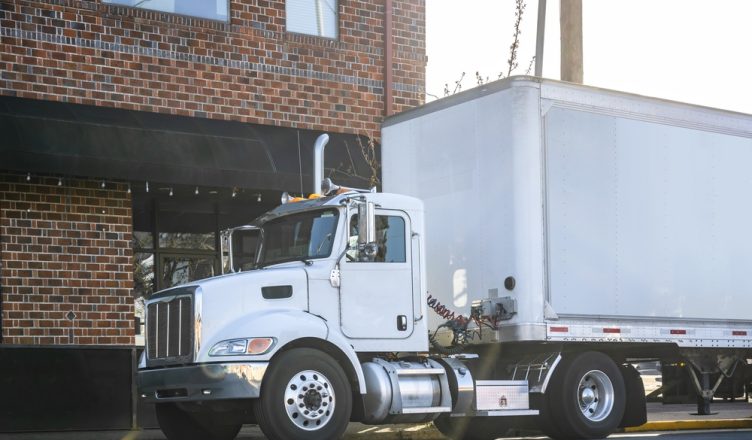
The truck shows up on time, but the excavator turns out to be wider than the measurements provided to the carrier. Now the trailer configuration needs another look, the permit might need changes, and the loading crew has to wait. This all happens because of a detail that could have been checked earlier.
For manufacturers, construction contractors, and industrial operators, missing these details can lead to extra equipment costs, missed installation times, and project delays.
Whether you’re moving excavators, cranes, generators, transformers, or manufacturing equipment, heavy haul trucking requires preparation well before the truck gets there.
Here are seven things to check to help you avoid unnecessary problems.
1. Are Your Equipment Measurements Actually Accurate?
Manufacturer specs are a good place to start, but they might not match how your equipment is set up for shipping right now.
For heavy equipment transport, confirm the actual length, width, height, total weight, center of gravity, and lifting points. Don’t forget to include attachments, shipping frames, and any changes made after it was built.
Even a small mistake in measurements can affect which trailer you need, whether you’ll clear bridges, and what permits you need.
Provide technical drawings if you have them. If the equipment has been changed or you’re not sure about its specs, get a qualified inspection before finalizing transportation plans.
2. Should You Remove or Secure Any Components?
Some equipment is easier to move if you take off attachments like excavator buckets, crane booms, counterweights, or protective structures.
However, disassembly isn’t automatically the better option. Removing components can introduce additional lifting, transportation, and reassembly requirements.
Consult the manufacturer or a qualified technician before making changes.
Preparation should also secure any loose parts, protect exposed electrical connections and hydraulic fittings, and check fuel, battery, and fluid levels to make sure they meet shipping rules.
Document the machinery’s condition with photographs before loading, including any damage that’s already there.
3. Is the Trailer Suitable for Your Machinery?
Choosing the right trailer isn’t just about the equipment’s total weight.
Flatbeds work for certain oversized components, while step decks give you a lower platform for taller loads. Lowboys and double-drop trailers offer more height clearance, and removable gooseneck trailers let you drive machinery on when needed.
Very heavy equipment might need trailers with more axles to spread out the weight and stay within legal limits.
How you load the equipment is important too. Check if you’ll need cranes, ramps, or other gear, and make sure you have a safe lifting plan.
According to the Federal Motor Carrier Safety Administration, wheeled or tracked machinery weighing 10,000 pounds or more is subject to specific cargo securement requirements.
Before sending the load, check with the carrier about tie-down points, securement gear, weight distribution, and whether the trailer is right for your equipment.
4. Has the Entire Transportation Route Been Checked?
A route that’s fine for regular freight might not work for oversized machinery.
When planning a heavy haul route, look at bridge limits, overhead clearances, road shapes, turning space, construction areas, and any seasonal rules.
Getting to the last part of a construction site or industrial facility can be especially tricky.
Oversized and overweight permits depend on where you’re traveling. Some trips need escort vehicles, route checks, or limited travel times.
Confirm these requirements early. A permit for one state or province doesn’t mean you can travel through another without checking first.
5. Is Your Loading and Receiving Site Ready?
Even if you have the right trailer and permits, you can run into problems if the loading or unloading site isn’t ready.
Before pickup, make sure you check:
- Available space for trailer positioning and turning
- Suitable ground conditions for loaded equipment
- Crane or forklift capacity and availability
- Safe loading and unloading procedures
- Site access hours and personnel responsibilities
For example, an industrial generator might arrive on site, but you can’t unload it if the crane you need isn’t available.
Work out these details with the receiving team before you set the final dispatch schedule.
6. Have You Prepared the Cross-Border Documents?
Moving machinery between Canada and the United States adds customs and regulatory steps to handle.
If you’re hiring a shipping company in USA for a Canada-bound shipment, confirm that the provider can coordinate the transportation requirements across both countries.
Depending on the shipment, you might need commercial invoices, packing lists, equipment descriptions, serial numbers, origin details, and other import or export paperwork.
If you’re importing equipment temporarily, there may be extra steps to consider.
Freight forwarders can help with paperwork and work with customs brokers, but the importer is still responsible for meeting all customs rules.
Getting paperwork ready early gives everyone time to spot missing info before the equipment gets to the border.
7. Have You Confirmed Responsibilities and Backup Plans?
Successful logistics transportation services depend on coordination between equipment owners, carriers, loading crews, permitting authorities, customs specialists, and receiving personnel.
Before you approve the pickup, decide who’s in charge of each step and how you’ll share updates if things change.
Check your cargo insurance, the declared value of your equipment, what’s not covered, and who’s responsible if there’s damage during loading or unloading.
Find out what you’ll do if a permit is delayed, a route can’t be used, or the delivery window at the receiving site changes.
A good backup plan might include a different route, a new schedule, or other ways to handle the shipment.
Confirming these details early can prevent minor setbacks from becoming major project disruptions.
Prepare Your Next Heavy Haul Shipment With Progressive Cargo
Successful heavy haul trucking starts with accurate equipment information, suitable transportation arrangements, and a clear plan for loading, routing, and delivery.
At Progressive Cargo, we support industrial businesses with heavy haul and over-dimensional trucking, specialized trailer arrangements, route feasibility studies, permit coordination, and cross-border freight forwarding.
Our project cargo capabilities also include technical planning and computer-aided drawings for complex loading and unloading arrangements.
Have heavy machinery ready to move? Don’t leave transportation planning until pickup day.
Share your equipment dimensions, weight, technical drawings, pickup location, destination, and target shipping date with our team.
Contact Progressive Cargo today to review your heavy haul requirements and request a customized transportation quote.
FAQs
What happens if machinery dimensions are incorrect before heavy haul trucking?
Incorrect measurements can lead to unsuitable trailers, permit delays, additional costs, and missed pickup schedules.
How can businesses prevent equipment damage during heavy haul trucking?
Proper cargo securement, suitable trailers, protected components, and carefully planned loading procedures help reduce damage risks.
How early should businesses prepare machinery for heavy haul trucking?
Start planning several weeks ahead when possible to allow time for equipment inspections, permits, route assessments, and loading arrangements.