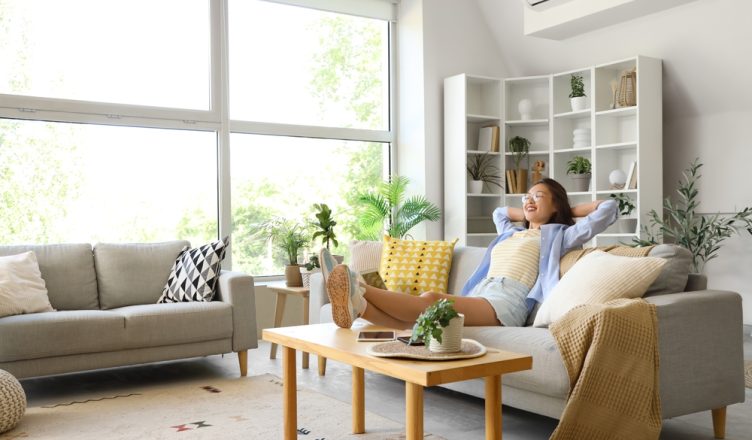
A home often reveals more about its owner through small details than through its size or the price of its furnishings. A reading corner positioned beside a favourite window, a dining table made to fit family gatherings, or a piece of furniture designed around a treasured object can give a space a personal quality that standard interiors rarely achieve.
This idea is influencing the way affluent homeowners approach residential design. They want interiors that reflect their habits, preferences, collections and sense of comfort. Expensive materials and impressive finishes still matter, but the planning behind them matters just as much. The work of an ultra luxury interior designer increasingly involves understanding the people who will inhabit a space and translating that understanding into a carefully considered design.
Across premium residences, bespoke furniture, custom joinery, individual material palettes and thoughtfully planned layouts are becoming central to this approach. Personalisation is no longer confined to choosing colours or selecting accessories. It can shape the entire experience of a home, from the way someone enters the living room to how they begin and end each day.
Why Bespoke Interiors Are Gaining Ground
Standardised interior solutions can be convenient, but they do not always account for the way a particular household lives. A family that entertains frequently has different requirements from someone who values privacy, quiet evenings and a dedicated workspace. Even two homes with similar floor plans may need entirely different design approaches.
Bespoke interiors address these differences through planning that begins with the occupants rather than a predetermined style.
Several factors are contributing to their growing appeal:
- Individual expression: Homeowners can reflect their tastes through materials, furniture, artwork and architectural details.
- Better use of space: Custom storage and furniture can respond to unusual dimensions or specific household requirements.
- Functional comfort: Lighting, circulation, seating and room layouts can be adjusted to daily routines.
- Greater design continuity: Finishes and furnishings can be selected as part of a connected plan rather than purchased independently.
- Long-term relevance: Thoughtful design can remain useful even as household needs change.
The difference becomes apparent in the details. A custom wardrobe designed around a particular collection, for instance, can offer better organisation than a standard unit. A dining area planned around the family’s preferred seating arrangement may feel more natural than one built around a showroom layout.
What Personalisation Means in Ultra-Luxury Interior Design
Personalisation is often mistaken for adding expensive objects or commissioning unusual furniture. Those elements may contribute to the result, but genuine personalisation starts much earlier.
An ultra luxury interior designer must understand how a client uses the property, what they value and which parts of their lifestyle deserve space within the design. The answers influence everything from room proportions and lighting positions to storage requirements and the choice of finishes.
Designing Around Daily Routines
Consider a homeowner who works from home regularly but does not want a conventional office dominating the living space. A designer might create a study with concealed storage, integrated lighting and acoustic considerations, allowing it to function independently without feeling disconnected from the rest of the residence.
Similarly, someone who enjoys hosting guests may benefit from a layout that connects the dining area, kitchen and lounge without obstructing movement. The furniture arrangement, serving surfaces and lighting zones can all support the way gatherings usually unfold.
These decisions may seem small during the planning stage. Once the home is occupied, however, they shape everyday comfort.
Giving Personal Collections a Place
Books, artwork, travel objects, heirlooms and collected furniture often carry meaning beyond their monetary value. A personalised interior can accommodate these belongings without making the home feel crowded.
Custom display niches, carefully lit shelving and considered wall arrangements allow individual objects to become part of the architecture. The aim is to give them space to be appreciated while maintaining visual balance.
The Role of Custom Furniture and Craftsmanship
Furniture is one of the clearest expressions of bespoke design. Standard pieces are produced to suit broad requirements, whereas custom furniture can be developed around the dimensions, proportions and intended use of a particular room.
A sofa can be designed to suit an unusually wide living area. A dining table can accommodate a specific number of guests without obstructing circulation. Bedside units can incorporate charging points, concealed storage and lighting suited to the owner’s routine.
Custom joinery offers similar advantages. It can integrate storage into wall panelling, make use of awkward corners and conceal equipment that would otherwise interrupt the room’s appearance.
| Bespoke element | Personalisation opportunity | Practical benefit |
| Custom furniture | Tailored dimensions, upholstery and finishes | Better fit and comfort |
| Built-in storage | Compartments based on individual belongings | Improved organisation |
| Decorative joinery | Individual patterns, proportions and detailing | Stronger visual continuity |
| Made-to-measure lighting | Placement based on tasks and room use | More useful illumination |
| Custom display units | Space allocated to selected objects | Orderly presentation |
Craftsmanship is particularly important because bespoke work leaves fewer places to hide poor detailing. Misaligned joints, uneven finishes or badly fitted hardware can undermine an otherwise expensive interior. Drawings, samples, measurements and quality checks should therefore be part of the process from the beginning.
Material Selection: Making Luxury Feel Personal
Materials influence how a home looks, but they also affect how it feels to use. Stone introduces weight and texture, timber adds warmth, metals can provide precision, and fabrics soften the edges of architectural spaces.
A well-planned interior does not need to use the most expensive material in every room. It needs materials that work together and suit their intended purpose.
Creating a Consistent Material Palette
A residence may combine natural stone, timber veneer, textured wall finishes, metal detailing and carefully selected fabrics. The challenge is to prevent these elements from competing with one another.
Designers can establish a primary material palette and introduce secondary finishes where they serve a clear purpose. Repeating a timber tone across several rooms, for example, can create continuity, while a distinctive stone surface may be reserved for the entrance or a central living area.
Lighting also affects material selection. A finish that appears warm under showroom lighting may look cooler under daylight. Samples should be reviewed in the actual space, preferably at different times of day.
Choosing Finishes for Real-Life Use
A beautiful surface must still withstand daily activity. Kitchen counters face spills and heat, bathroom materials encounter moisture, and upholstery in frequently used rooms needs suitable durability.
Before finalising a material, homeowners should consider cleaning requirements, maintenance costs, expected wear and the availability of replacement or repair options.
This is one area where experienced luxury interior designer in New Delhi services can be valuable. Material recommendations need to account for the property’s conditions and the owner’s willingness to maintain particular finishes, not simply their appearance in a design presentation.
Technology and Personalised Comfort
Technology has become another part of residential personalisation. When planned carefully, it can make a home easier to manage while keeping the visual environment uncluttered.
Lighting controls can support different activities throughout the day. Motorised curtains can respond to privacy requirements. Integrated audio, climate controls and concealed charging points can reduce everyday inconvenience.
The most successful installations begin with a practical question: what should become easier for the homeowner?
For example, a single control arrangement might support reading, entertaining and evening relaxation through different lighting settings. A bedroom could have separate controls for bedside lighting and window treatments. These features should be designed into the electrical and architectural plans early, rather than added after the interiors are complete.
Technology also needs to remain manageable. Too many disconnected controls or complicated operating systems can make a home harder to use. Simplicity matters, particularly when several household members or visitors will use the same spaces.
How Designers Balance Individuality With Timelessness
A highly personalised home should reflect its owner, yet it must also remain comfortable after current trends lose their appeal. This balance requires care.
One useful approach is to keep permanent architectural elements relatively restrained while allowing more individual expression through furniture, art, textiles and selected finishes. A strong architectural foundation can accommodate changing preferences without requiring a complete redesign.
The following principles can help:
- Choose major finishes for their durability and compatibility with the space.
- Use distinctive colours and patterns where they can be changed more easily.
- Invest in furniture that suits the owner’s actual needs.
- Avoid adding decorative features simply to fill empty areas.
- Review how each room connects with the rest of the residence.
Homeowners comparing the best interior designers in New Delhi should also look at how a designer approaches planning, detailing and execution. A compelling concept is only one part of the work. The ability to coordinate drawings, materials, contractors and installation is equally important.
The Bespoke Design Process: From Brief to Finished Home
Personalised interiors require a clear process because custom work often involves longer lead times, specialist fabrication and coordination between several teams.
Understanding the Brief
The process begins with discussions about lifestyle, priorities, budget and the intended use of each room. Existing furniture, personal collections and future household requirements should also be considered.
Developing the Design
Layouts, mood boards, material palettes and preliminary drawings help establish the direction. At this stage, homeowners should be able to understand how the spaces will function, not simply how they will look.
Coordinating Technical Details
Custom furniture, lighting, electrical points, plumbing, air conditioning and architectural finishes must work together. Detailed drawings help reduce conflicts between different elements before work begins on site.
Managing Fabrication and Installation
Bespoke pieces may require several rounds of measurement, sampling and approval. Installation schedules should account for these dependencies, particularly when multiple custom elements need to fit together.
Reviewing the Finished Space
Final checks should cover alignment, finish quality, lighting performance, storage usability and the operation of installed systems. Any outstanding issues should be addressed before handover.
A structured process gives homeowners greater clarity and helps protect the design intent during execution.
Conclusion
Bespoke interiors are gaining importance because homeowners increasingly want residences that reflect their lives, rather than spaces assembled around a standard look. Custom furniture, considered material choices, integrated technology and layouts shaped around daily routines can make a home feel genuinely individual.
An ultra luxury interior designer brings these elements together through detailed planning, careful coordination and an understanding of how people use their homes. The result should offer visual refinement alongside everyday comfort.
For The AEK, the value of personalised residential design lies in connecting individual preferences with practical space planning and thoughtful execution. Working with a bespoke interiors designing company can help homeowners turn those preferences into a coherent design, where the finishes, furnishings and layout feel as though they belong together. The strongest bespoke interiors are not defined by how much they contain, but by how naturally every element fits the people who live there